Top foods with high L-tyrosine to add to your diet
 Written by Pri Prunella
 March 18, 2026


Whether you're looking to sharpen focus, support your mood, or fuel better workouts, L-tyrosine is one amino acid worth adding to your diet. It acts as a building block for key neurotransmitters involved in brain function, stress response, and physical performance. It also plays a critical role in how you think and feel day-to-day, which we all know is deeply important. While L-tyrosine supplements have grown somewhat in popularity, many people are surprised to discover that their diets may already provide meaningful amounts of this amino acid.
This guide covers everything you need to know: what L-tyrosine is, which foods with high L-tyrosine deliver the most per serving, how much you actually need, the best timing for intake, and when an L-tyrosine supplement might make sense alongside a food-first approach.
What is L-tyrosine?
L-tyrosine is a non-essential amino acid, meaning the body can synthesize it from phenylalanine, another amino acid found in protein-rich foods. That said, dietary intake of L-tyrosine-rich foods is important, especially when the body is under significant demand and pressure.
Its most important role is as a precursor to many key neurotransmitters and hormones: dopamine (motivation, reward, and pleasure), norepinephrine (focus, alertness, and stress response), and epinephrine, also known as adrenaline. L-tyrosine is also involved in the production of thyroid hormones and the skin pigment melanin.
Because of its direct impact on hormones, it affects mood stability, cognitive focus, and performance under pressure, which is why athletes, high performers, and individuals in mentally demanding roles have begun paying closer attention to it.
L-tyrosine vs. tyrosine in foods
You'll see 'L-tyrosine' on supplement labels and 'tyrosine' in food contexts. They're the same thing. The 'L-' simply indicates the form your body uses. In food, tyrosine is packaged in protein that must be digested first, providing a steady supply throughout the day. Supplements provide a faster, more precise dose when timing matters.
Foods highest in L-tyrosine
Not all proteins are created equal in terms of tyrosine content. Here's a look at the best sources and roughly how much you're getting per serving:
| Food | Serving Size | L-Tyrosine (mg) |
|---|---|---|
| Soybeans (cooked) | 1 cup (172g) | ~1,100 |
| Chicken breast (cooked) | 3 oz (85g) | ~1,040 |
| Turkey breast (cooked) | 3 oz (85g) | ~975 |
| Lean beef | 3 oz (85g) | ~900 |
| Salmon | 3 oz (85g) | ~785 |
| Firm tofu | ½ cup (126g) | ~755 |
| Tempeh | ½ cup (83g) | ~665 |
| Lentils (cooked) | 1 cup (198g) | ~650 |
| Parmesan cheese | 1 oz (28g) | ~560 |
| Eggs (whole) | 2 large | ~470 |
| Pumpkin seeds | 1 oz (28g) | ~340 |
| Sesame seeds | 1 oz (28g) | ~305 |
| Almonds | 1 oz (28g) | ~180 |
Animal-based foods with high L-tyrosine
Animal proteins are among the richest sources of L-tyrosine, largely because they offer a complete amino acid profile with high bioavailability—meaning your body can absorb and use tyrosine efficiently.
- Chicken and turkey breast: Lean poultry is at the top of the list, giving you over 900 mg per cooked 3 oz serving. Both are easy to throw into just about any meal.
- Beef: Lean cuts like sirloin or 90% lean ground beef deliver around 900 mg per serving, plus a solid dose of iron and zinc.
- Salmon and other fatty fish: Salmon provides about 785 mg of omega-3s per serving, which support the same brain pathways tyrosine feeds into. It's a great two-for-one.
- Eggs: Two large eggs provide approximately 470 mg of tyrosine. The yolk also has choline, which pairs nicely with dopamine-related nutrition.
- Hard cheeses: Parmesan and other aged cheeses are surprisingly dense in tyrosine; ounce for ounce, they can rival meat! The longer a cheese ages, the more free tyrosine builds up as proteins break down.
Plant-based L-tyrosine-rich foods
If you eat mostly plants, you can absolutely get enough L-tyrosine; you just want to be a bit intentional about it. Here are the best options:
- Soybeans and soy products: Cooked soybeans lead all plant sources with over 1,000 mg per cup. Tofu (~755 mg per half cup) and tempeh (~665 mg per half cup) are excellent, versatile options that work across cuisines.
- Lentils and legumes: Lentils, chickpeas, and black beans are solid go-tos, especially if they're already staples in your diet. A cup of cooked lentils provides approximately 650 mg.
- Pumpkin seeds and sesame seeds: Small but mighty — they provide 300–340 mg per ounce and are easy to toss into smoothies, salads, or on top of almost anything.
- Nuts: Almonds, peanuts, and cashews all chip in smaller but still useful amounts of tyrosine, along with healthy fats and fiber.
- Whole grains: Oats, quinoa, and wild rice contribute modest but meaningful amounts of tyrosine. Quinoa stands out as a complete protein among plant foods.
How much L-tyrosine per day do you need?
There's no official recommended daily intake for L-tyrosine specifically. But research and general nutrition guidelines suggest that if you're eating enough protein, roughly 0.8g per kg of body weight, you're probably already getting plenty through food.
- General population: A typical protein-rich diet provides an estimated 3,000–5,000 mg of tyrosine per day, well above the threshold needed for normal neurotransmitter function.
- Athletes: Those engaged in frequent, intense training may benefit from higher overall protein intake, which naturally increases tyrosine availability. Some sports nutrition research examines supplemental intakes in the range of 500–2,000 mg on top of dietary sources.
- High-stress or mentally demanding lifestyles: Stress depletes dopamine and norepinephrine more quickly. If you're in a demanding job, working irregular shifts, or navigating a tough season of life, making sure L-tyrosine-rich foods are a regular part of your meals is a smart move. Alternatively, you might consider supplemental support.
Can you get enough L-tyrosine from food alone?
For most people, eating a reasonably varied, protein-sufficient diet, yes, absolutely. A meal like grilled chicken with lentils and a sprinkle of pumpkin seeds could easily get you 2,000+ mg in one sitting. However, there are certain instances where you may need to supplement. For a very low-calorie or very restrictive diet, consider supplementation to help you meet your body's required intake.
When to take L-tyrosine
The timing of when you choose to take L-tyrosine, whether from food or supplements, matters. The timing really depends on your goals; think performance versus timing. For food, that means timing tyrosine-rich meals around when you need to be at your best. For supplements, timing gets even more specific.
When to take L-tyrosine for workouts
Taking it 30–60 minutes before you train is the sweet spot most people find. At that point, it can help build up the brain chemicals that drive focus and mental stamina before fatigue kicks in. That's why L-tyrosine appears in many pre-workout formulas: it pairs well with caffeine and other focus compounds.
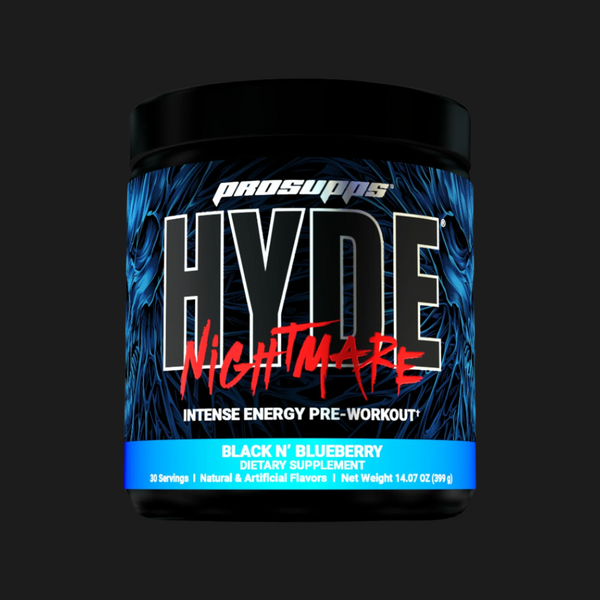
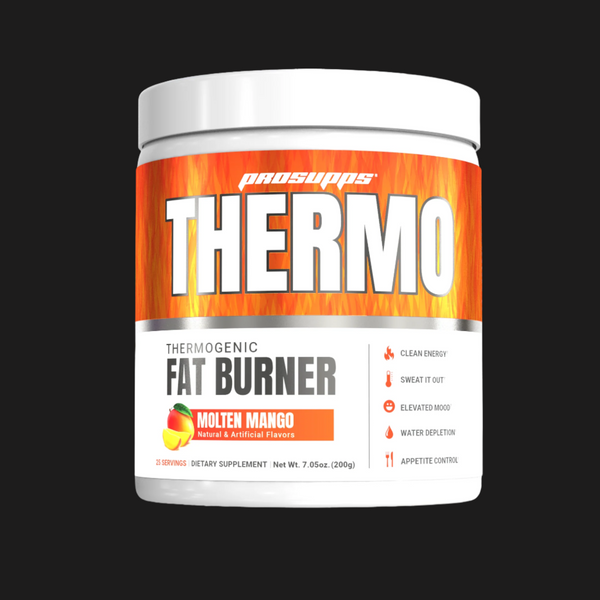
Many pre-workout and thermogenic supplements include L-tyrosine for this reason. Look for formulas that combine L-tyrosine with complementary ingredients like Dr. Jekyll Signature, Dr. Jekyll Nightmare, and Dr. Jekyll Nightmare Dual Tub, which support focus and energy during training. Stimulant-based formulas like Hyde or thermogenic options such as Thermo also include L-tyrosine to help support mental drive and performance. Some athletes also choose combination products such as Jekyll & Hyde Nightmare Dual Tub to stack pre-workout energy with enhanced focus support.
When to take L-tyrosine for focus & cognitive performance
For mental performance, morning or right before a demanding task works best. Research has specifically looked at L-tyrosine's effects during sleep deprivation, multitasking, and high-stress situations, exactly the times when your brain is most likely to run low on dopamine. Taking a supplement on an empty stomach or with a light, low-protein snack can actually speed up absorption.
L-tyrosine supplement vs. food sources
Both options work. It really just depends on your lifestyle and goals.
Whole foods give you the full package: protein, fats, vitamins, minerals, and tyrosine, with a steady release as you digest. There's also less risk of overdoing it when it comes to meals. Supplements, on the other hand, provide a precise, fast-absorbing dose that fits neatly into a pre-workout or stimulant-based formula, such as those in our caffeine stimulant collection.
Who should consider an L-tyrosine supplement?
Supplementing isn't for everyone, but it makes good sense if you're an athlete with high training volume who needs consistent neurotransmitter support, someone managing significant stress who wants targeted cognitive support, or anyone on a low-protein or restrictive diet where food-based tyrosine is hard to come by.
Maximizing the benefits of L-tyrosine
Getting the most out of L-tyrosine comes down to consistency and context. One great meal won't move the needle much, but making L-tyrosine-rich foods a regular part of your diet? That adds up. The same goes for supplements: strategic, timed use beats random high doses every time.
Optimal timing for L-tyrosine supplementation
- For cognitive focus: Take it in the morning or 30–60 minutes before mentally demanding work. On an empty stomach or with a light snack, it absorbs faster with less competition from other amino acids.
- For exercise performance: Take it 30–60 minutes before training, ideally as part of a pre-workout formula or alongside a small carb source to help with transport.
- For stress support: Consistency matters more than perfect timing here, whether from food or supplements; making it a daily habit is what really counts.
Combining L-tyrosine with other supplements
L-tyrosine plays well with several other common supplements. Pairing it with L-theanine gives you a nice, balanced effect; tyrosine drives focus and alertness, while theanine smooths out any edge, a combo you'll see in a lot of nootropic stacks. With caffeine, L-tyrosine helps sustain the focused energy state you want while also replenishing catecholamines that caffeine can deplete over time. B6 is another useful addition, since it acts as a helper molecule in the conversion of tyrosine to dopamine and norepinephrine.
Long-term use of L-tyrosine
L-tyrosine is generally well tolerated for long-term use at standard dietary and supplemental doses. Over time, consistent intake, paired with adequate sleep, exercise, and a nutrient-dense diet, may support greater cognitive resilience, reduced stress reactivity, and more stable mood and motivation.
Final recommendations
Foods high in L-tyrosine are among the most common, everyday proteins: chicken, eggs, fish, dairy, legumes, and seeds. For most people, eating a varied, protein-rich diet makes hitting your L-tyrosine needs totally doable without supplements. When things ramp up, heavier training, more stress, bigger mental demands, a targeted supplement can give you a real edge, especially if you time it right before workouts or mentally demanding tasks.
Ultimately, timing and overall diet quality carry more weight than any single nutrient in isolation. A consistent diet anchored in L-tyrosine-rich foods, combined with targeted supplementation as needed, is the most sustainable path to the focus, energy, and performance L-tyrosine supports.
References
- Clinic, C. (2023, April 13). Should you try an L-Tyrosine supplement? A look at its benefits and side effects. Cleveland Clinic. https://health.clevelandclinic.org/l-tyrosine
- Professional, C. C. M. (2025, December 19). Dopamine. Cleveland Clinic. https://my.clevelandclinic.org/health/articles/22581-dopamine
- Professional, C. C. M. (2025a, November 14). Norepinephrine (Noradrenaline). Cleveland Clinic. https://my.clevelandclinic.org/health/articles/22610-norepinephrine-noradrenaline
- Professional, C. C. M. (2025a, September 11). Epinephrine (Adrenaline). Cleveland Clinic. https://my.clevelandclinic.org/health/articles/22611-epinephrine-adrenaline
- Slominski, A., Zmijewski, M. A., & Pawelek, J. (2012). L-tyrosine and L-dihydroxyphenylalanine as hormone-like regulators of melanocyte functions. Pigment cell & melanoma research, 25(1), 14–27. https://doi.org/10.1111/j.1755-148X.2011.00898.x
- Cheese Crystals - Cheese Science Toolkit. (n.d.). https://www.cheesescience.org/crystals.html
- Yamashita, S., Kawada, N., Wang, W., Susaki, K., Takeda, Y., Kimura, M., Iwama, Y., Miura, Y., Sugano, M., & Matsuoka, R. (2023). Effects of egg yolk choline intake on cognitive functions and plasma choline levels in healthy middle-aged and older Japanese: a randomized double-blinded placebo-controlled parallel-group study. Lipids in health and disease, 22(1), 75. https://doi.org/10.1186/s12944-023-01844-w
- de Souza, R. G. M., Schincaglia, R. M., Pimentel, G. D., & Mota, J. F. (2017). Nuts and Human Health Outcomes: A Systematic Review. Nutrients, 9(12), 1311. https://doi.org/10.3390/nu9121311
- Rizzo G. (2024). Soy-Based Tempeh as a Functional Food: Evidence for Human Health and Future Perspective. Frontiers in bioscience (Elite edition), 16(1), 3. https://doi.org/10.31083/j.fbe1601003
- Phillips, S. M., Paddon-Jones, D., & Layman, D. K. (2020). Optimizing Adult Protein Intake During Catabolic Health Conditions. Advances in nutrition (Bethesda, Md.), 11(4), S1058–S1069. https://doi.org/10.1093/advances/nmaa047
- Amawi, A., AlKasasbeh, W., Jaradat, M., Almasri, A., Alobaidi, S., Hammad, A. A., Bishtawi, T., Fataftah, B., Turk, N., Saoud, H. A., Jarrar, A., & Ghazzawi, H. (2024). Athletes' nutritional demands: a narrative review of nutritional requirements. Frontiers in nutrition, 10, 1331854. https://doi.org/10.3389/fnut.2023.1331854
- Bloemendaal, M., Froböse, M. I., Wegman, J., Zandbelt, B. B., van de Rest, O., Cools, R., & Aarts, E. (2018). Neuro-Cognitive Effects of Acute Tyrosine Administration on Reactive and Proactive Response Inhibition in Healthy Older Adults. eNeuro, 5(2), ENEURO.0035-17.2018. https://doi.org/10.1523/ENEURO.0035-17.2018
GET LEAN
 Why You're Struggling
Can't Lean Out? Here's Why You're Struggling
Why You're Struggling
Can't Lean Out? Here's Why You're Struggling
We all know the feeling. You’ve been working hard in the gym, sticking to your diet and getting in your...
 Weight Loss
Choosing the Best Protein Powder for Weight Loss
Weight Loss
Choosing the Best Protein Powder for Weight Loss
Struggling to shed body fat and lean out? You might need to focus more on your nutrition, specifically your protein...
 Weight Loss
9 Ways to Speed Up Your Weight Loss and Burn More Fat
Weight Loss
9 Ways to Speed Up Your Weight Loss and Burn More Fat
Weight loss is a major goal for more than 40 percent of Americans. Is it something you’re working toward, too?
 Workout Routine
10 Tips for Building a Sustainable Workout Routine
Workout Routine
10 Tips for Building a Sustainable Workout Routine
Starting a fitness journey is an exciting time, but maintaining a sustainable workout routine can be challenging. From setting realistic...