Key differences between caffeine anhydrous vs caffeine
 Written by Pri Prunella
 April 09, 2026


If you've ever checked the ingredient label on a pre-workout supplement, you've probably seen caffeine anhydrous listed near the top. Or maybe you have never noticed (a very common reaction). But if you are wondering the difference between caffeine anhydrous and caffeine, well, the two are actually very different. Understanding what caffeine anhydrous is and how it compares to regular caffeine can help you make better decisions about your energy intake, workouts, and daily focus.
Caffeine anhydrous is a dehydrated form of caffeine that is more concentrated than the caffeine naturally found in beverages like coffee or tea. Because the water has been removed, the ingredient becomes a powdered compound that can deliver precise amounts of caffeine in supplements. This is one reason caffeine anhydrous is widely used in sports nutrition products, particularly pre-workouts designed to enhance energy, focus, and training performance.
Regular caffeine, on the other hand, typically comes from natural sources such as coffee beans, tea leaves, and cacao plants. When consumed in beverages, caffeine is delivered alongside water and other plant compounds. Both forms contain the same stimulating molecule, but their concentration, delivery, and use can vary.
In this guide, we'll explore caffeine anhydrous vs caffeine, explain what is caffeine anhydrous, review important caffeine benefits, and discuss how caffeine anhydrous benefits athletes and anyone looking to improve focus and energy levels.
What is caffeine anhydrous?
To fully understand caffeine anhydrous vs caffeine, it's helpful to start with a clear explanation of what is caffeine anhydrous.
Caffeine anhydrous is simply caffeine that has had its water content removed. The word "anhydrous" literally means without water. Manufacturers typically extract caffeine from natural sources such as coffee beans or tea leaves and then process it into a purified, dehydrated powder.
This process creates a highly concentrated form of caffeine that can be easily measured and added to supplements. Because it is pure and consistent, caffeine anhydrous allows supplement companies to control the exact amount of caffeine included in a product.
Another advantage is that caffeine anhydrous dissolves easily and absorbs quickly once consumed. This makes it especially useful in products designed to deliver fast energy and improved mental alertness.
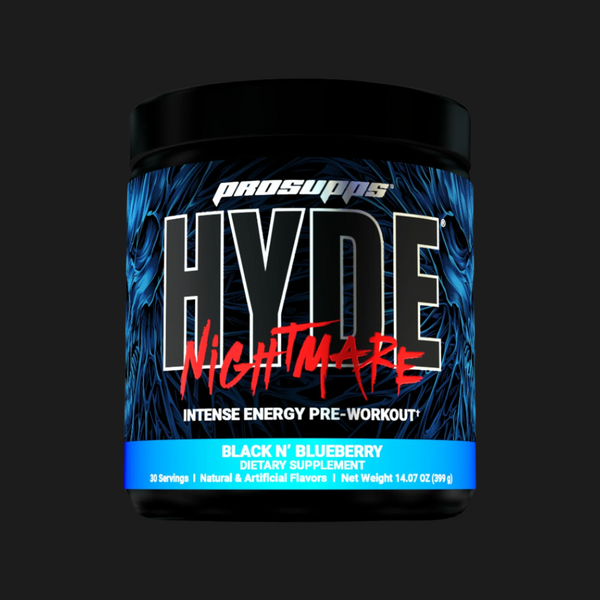
Caffeine anhydrous can be found in several forms, including capsules, tablets, powdered supplements, and many pre-workout formulas. Performance products like HYDE, HYDE Nightmare, Mr. Hyde Nightmare Dual Tub, or Dr. Jekyll Nightmare Dual Tub, use caffeine-containing formulas to support energy and workout performance.
What is the difference between caffeine anhydrous vs caffeine?
The main differences between caffeine anhydrous vs caffeine come down to form, concentration, and absorption.
Regular caffeine found in beverages like coffee or tea is delivered in liquid form and contains other compounds from the plant source. These compounds can slightly influence how caffeine is absorbed and experienced by the body.
Caffeine anhydrous, however, is a purified powder with no water content. Because of this concentration, smaller doses are needed to deliver the same amount of caffeine you might get from a full cup of coffee.
Another key difference is precision. With caffeine anhydrous supplements, the exact amount of caffeine is clearly labeled, allowing users to know exactly how much they are consuming. Coffee and tea can vary widely in caffeine content depending on brewing methods and bean types.
How caffeine anhydrous works faster than regular caffeine
One reason caffeine anhydrous is frequently used in supplements is its fast absorption rate. Because it is already in powdered form and dissolves easily, the body can absorb caffeine anhydrous quickly once it enters the digestive system.
This faster availability can lead to a quicker energy boost compared to drinking coffee. For individuals looking for immediate alertness before workouts or mentally demanding tasks, this rapid effect can be particularly helpful.
If you want to understand more about caffeine timing and how quickly it affects the body, this guide explains how long it takes for caffeine to kick in and wear off.
Which is better for energy?
When comparing caffeine anhydrous vs caffeine, neither option is universally better. The best choice often depends on how and why you're consuming caffeine.
Caffeine anhydrous tends to produce a faster and more concentrated energy boost. This makes it popular in supplements and performance formulas designed for workouts, intense focus, or demanding physical activity.
Coffee and other natural caffeine sources often produce a slightly gentler experience because they are consumed in liquid form and contain additional plant compounds. For everyday energy or social enjoyment, many people prefer these natural sources.
General caffeine benefits
Before focusing specifically on caffeine anhydrous benefits, it's helpful to understand the broader caffeine benefits that have made this compound one of the most widely used stimulants in the world.
Caffeine has been extensively studied for its ability to support both mental and physical performance. It works primarily as a central nervous system stimulant, helping people feel more awake and alert.
Common caffeine benefits include improved focus and mental alertness, increased energy levels, enhanced physical performance during exercise, increased metabolism and fat oxidation, and improved reaction time during demanding tasks.
Because of these benefits, caffeine is commonly included in sports nutrition supplements, productivity formulas, and energy drinks.
How caffeine affects brain function
Caffeine affects the brain primarily by blocking adenosine receptors. Adenosine is a neurotransmitter that promotes relaxation and sleepiness. When caffeine blocks these receptors, the brain becomes more alert and awake.
At the same time, caffeine can increase the activity of other neurotransmitters such as dopamine and norepinephrine. These chemicals are associated with motivation, focus, and improved mood.
Together, these effects explain why caffeine often improves concentration, reaction time, and overall mental performance.
Caffeine anhydrous benefits
While caffeine in general offers many advantages, there are also specific caffeine anhydrous benefits that make this form especially useful in supplements.
Because caffeine anhydrous is concentrated and fast-acting, it can deliver strong energy and focus in relatively small doses. This makes it easier to include in formulas designed to support exercise performance and productivity.
Key caffeine anhydrous benefits include improved mental alertness, enhanced focus and cognitive performance, increased physical endurance during exercise, improved reaction time, and support for increased metabolism and thermogenesis.
These advantages are why caffeine anhydrous appears so frequently in performance supplements and advanced pre-workout formulas.
Why is caffeine anhydrous effective in pre-workouts?
Pre-workout supplements are designed to help athletes feel energized, motivated, and mentally focused before training. Caffeine anhydrous plays an important role in achieving these effects.
Because it absorbs quickly and delivers a concentrated dose of caffeine, it can help increase alertness and reduce feelings of fatigue during workouts.
Pre-workout supplements often combine caffeine anhydrous with ingredients like creatine, beta-alanine, and BCAAs to support muscle endurance, strength, and recovery. Formulas like Jekyll & Hyde Nightmare Dual Tub and Dr. Jekyll Nightmare use caffeine-containing blends designed to support energy, focus, and workout intensity before training sessions.
If you want to explore different types of pre-workouts, this guide explains the difference between stimulant and non-stimulant pre-workout supplements.
Caffeine anhydrous dosage and timing
Understanding caffeine anhydrous dosage is important for maximizing benefits while avoiding unwanted side effects.
Most supplements provide between 100 mg and 200 mg of caffeine anhydrous per serving. However, tolerance to caffeine can vary widely depending on body weight, individual sensitivity, and regular caffeine intake.
Timing also plays a role in effectiveness. Many people take caffeine anhydrous about 30 to 45 minutes before workouts to support energy and focus during training. Others use it earlier in the day to improve productivity and mental clarity.
How to take caffeine anhydrous safely
Like any stimulant, caffeine anhydrous should be used responsibly.
It's important not to exceed recommended serving sizes and to consider caffeine from other sources such as coffee, tea, or energy drinks. Consuming too much caffeine in a short period of time may lead to jitteriness, sleep disruptions, or increased heart rate.
Some people also choose to cycle caffeine intake periodically to prevent tolerance buildup and maintain the effectiveness of caffeine-containing supplements.
Caffeine anhydrous vs caffeine: Which should you choose?
Choosing between caffeine anhydrous vs caffeine depends on your goals and personal preferences.
| Goal or Situation | Caffeine Anhydrous | Regular Caffeine (Coffee/Tea) |
|---|---|---|
| Quick energy boost | Best choice due to its concentrated and fast-absorbing form | Slower energy increase because it's consumed in liquid form |
| Pre-workout performance | Ideal for workouts and supplements because it delivers precise, potent energy | Less commonly used before workouts due to variable caffeine content |
| Focus and productivity | Often used in supplements designed for mental focus and alertness | Can support focus but may feel milder depending on brew strength |
| Sustained daily energy | Can work, but effects may feel stronger and shorter | Better for gradual, steady energy throughout the day |
| Natural caffeine source | Typically produced as a purified supplement ingredient | Naturally found in coffee, tea, and cacao |
| Gentler stimulation | May feel stronger or more immediate | Usually provides a smoother, longer-lasting experience |
In general, caffeine anhydrous works best for individuals looking for quick, measurable energy, especially in supplement form. Regular caffeine sources like coffee may be better for relaxed daily consumption or slower energy throughout the day.
How caffeine anhydrous works in pre-workouts
Many modern pre-workout supplements rely on caffeine anhydrous because of its potency and rapid effects. When taken before exercise, caffeine anhydrous can increase alertness, motivation, and overall training intensity.
Pre-workout formulas often combine caffeine anhydrous with ingredients such as creatine, beta-alanine, and BCAAs to create a comprehensive performance formula.
You can also explore how other stimulant ingredients compare by reading this guide on TeaCrine vs caffeine.
FAQs
Is caffeine anhydrous the same as caffeine?
Chemically, caffeine anhydrous contains the same caffeine molecule found in coffee and tea. However, caffeine anhydrous is a purified, dehydrated form that is more concentrated and commonly used in supplements.
What are the benefits of caffeine anhydrous?
Caffeine anhydrous benefits include increased energy, improved focus, enhanced physical performance, and faster absorption compared to caffeine from beverages.
How much caffeine anhydrous should I take?
Typical caffeine anhydrous dosage ranges from 100 mg to 200 mg per serving, depending on tolerance and the intended purpose.
Can I drink coffee and take caffeine anhydrous together?
Yes, but total caffeine intake should be monitored carefully. Combining multiple sources of caffeine can increase the risk of consuming too much.
Is caffeine anhydrous better than caffeine in coffee for workouts?
For workouts, caffeine anhydrous is often preferred because it delivers fast and concentrated energy and can be precisely measured in supplement formulas. Coffee can still provide energy, but it may not offer the same consistency as a performance supplement.
References
- Trexler, E. T., Smith-Ryan, A. E., Roelofs, E. J., Hirsch, K. R., & Mock, M. G. (2016). Effects of coffee and caffeine anhydrous on strength and sprint performance. European journal of sport science, 16(6), 702–710. https://doi.org/10.1080/17461391.2015.1085097
- anhydrous. (n.d.). In Merriam-Webster Dictionary. https://www.merriam-webster.com/dictionary/anhydrous
- IARC Working Group on the Evaluation of Carcinogenic Risks to Humans. Coffee, Tea, Mate, Methylxanthines and Methylglyoxal. Lyon (FR): International Agency for Research on Cancer; 1991. (IARC Monographs on the Evaluation of Carcinogenic Risks to Humans, No. 51.) Caffeine. Available from: https://www.ncbi.nlm.nih.gov/books/NBK507027/
- Guest, N. S., VanDusseldorp, T. A., Nelson, M. T., Grgic, J., Schoenfeld, B. J., Jenkins, N. D. M., Arent, S. M., Antonio, J., Stout, J. R., Trexler, E. T., Smith-Ryan, A. E., Goldstein, E. R., Kalman, D. S., & Campbell, B. I. (2021). International society of sports nutrition position stand: caffeine and exercise performance. Journal of the International Society of Sports Nutrition, 18(1), 1. https://doi.org/10.1186/s12970-020-00383-4
- Cappelletti, S., Piacentino, D., Sani, G., & Aromatario, M. (2015). Caffeine: cognitive and physical performance enhancer or psychoactive drug?. Current neuropharmacology, 13(1), 71–88. https://doi.org/10.2174/1570159X13666141210215655
GET LEAN
 Why You're Struggling
Can't Lean Out? Here's Why You're Struggling
Why You're Struggling
Can't Lean Out? Here's Why You're Struggling
We all know the feeling. You’ve been working hard in the gym, sticking to your diet and getting in your...
 Weight Loss
Choosing the Best Protein Powder for Weight Loss
Weight Loss
Choosing the Best Protein Powder for Weight Loss
Struggling to shed body fat and lean out? You might need to focus more on your nutrition, specifically your protein...
 Weight Loss
9 Ways to Speed Up Your Weight Loss and Burn More Fat
Weight Loss
9 Ways to Speed Up Your Weight Loss and Burn More Fat
Weight loss is a major goal for more than 40 percent of Americans. Is it something you’re working toward, too?
 Workout Routine
10 Tips for Building a Sustainable Workout Routine
Workout Routine
10 Tips for Building a Sustainable Workout Routine
Starting a fitness journey is an exciting time, but maintaining a sustainable workout routine can be challenging. From setting realistic...