 United States
 Mexico


A complete guide on L-carnitine benefits, uses & more
 Written by Pri Prunella
 March 31, 2025


L-carnitine is one of the most widely used supplements for energy production, athletic performance, and fat metabolism. Naturally produced in the body and also obtained through food, this compound plays an important role in transporting fatty acids into cells, where they can be used for energy.
Because of its role in metabolism, many people search for l-carnitine benefits related to fat loss, performance, and overall health. But understanding how it works, how much to take, and what results to actually expect is key to using it effectively.
This guide explains what L-carnitine is, what the science says about its benefits, recommended dosage, when to take it, and how to incorporate it into a performance or weight management routine safely.
What is Carnitine?
L-carnitine is a naturally occurring compound synthesized from the amino acids lysine and methionine. It is produced primarily in the liver and kidneys and stored in muscle tissue, where it supports energy metabolism.
Its primary function is transporting long-chain fatty acids into the mitochondria, often referred to as the cell's "powerhouse." Once inside, these fats are oxidized and converted into usable energy.
Because L-carnitine plays a vital role in how the body converts fat into usable energy, levels can influence how efficiently energy is created during rest and exercise. Individuals who consume lower amounts of red meat or animal products may naturally have lower dietary intake of carnitine, which is one reason supplementation is commonly explored among athletes and active individuals.
The body is capable of producing L-carnitine on its own, but production depends on the intake of certain nutrients, including vitamin C, iron, and B vitamins. This explains why energy metabolism is influenced by overall nutritional status, not just one single compound.
Beyond energy production, L-carnitine also helps remove metabolic waste products from cells and supports overall cellular efficiency. Due to this role, it has gained popularity among athletes, active individuals, and those seeking to support their body composition goals.
What are the different types of carnitine?
Several forms of carnitine exist, each with slightly different applications:
- L-carnitine: The most common form used for exercise performance, recovery, and fat metabolism.
- Acetyl-L-carnitine (ALCAR): Able to cross the blood-brain barrier more efficiently and commonly used for cognitive support.
- L-carnitine L-tartrate: Often used in sports supplements due to its absorption rate and recovery benefits.
- Propionyl-L-carnitine: Studied for cardiovascular support.
These forms slightly differ in function, but they ultimately contribute to similar metabolic pathways related to energy production. Most sports nutrition supplements focus on standard L-carnitine because it aligns closely with performance, recovery, and body composition goals.
Though you have to choose the right form for your unique body and goals. For example, endurance athletes may prioritize muscle recovery and energy output, while others focused on cognitive performance may lean toward acetyl-L-carnitine.
While these forms share similarities, standard L-carnitine remains the most widely used option for performance and metabolic support.
What are the benefits of L-carnitine?
The advantages of L-carnitine come primarily from its role in energy metabolism. It's also important to understand that supplementation tends to be most noticeable in individuals who are more active, training consistently, or operating in a calorie deficit. In highly trained individuals with already optimized nutrition, the effects may be more subtle and mostly related to recovery or endurance rather than dramatic performance increases.
Athletic performance & recovery
One of the most recognized l-carnitine benefits is its potential support for exercise performance. By assisting fat transport into cells for energy production, L-carnitine may help improve endurance during longer training sessions.
Because L-carnitine supports energy production at the cellular level, some users also report improved perceived exertion during longer workouts. This means training sessions may feel more sustainable over time, particularly during endurance-focused training blocks or calorie-restricted phases.
Some research also suggests it may support:
- Reduced muscle soreness after exercise
- Improved oxygen utilization during training
- Faster recovery between workouts
These effects can help athletes maintain training consistency over time.
Weight loss & fat metabolism
A common question is whether L-carnitine actually burns fat. And the answer has a bit of nuance.
L-carnitine does not directly cause fat loss. Instead, it helps the body utilize fat as a fuel source more efficiently during exercise. When combined with a calorie-controlled diet and consistent training, this may support small improvements in body composition.
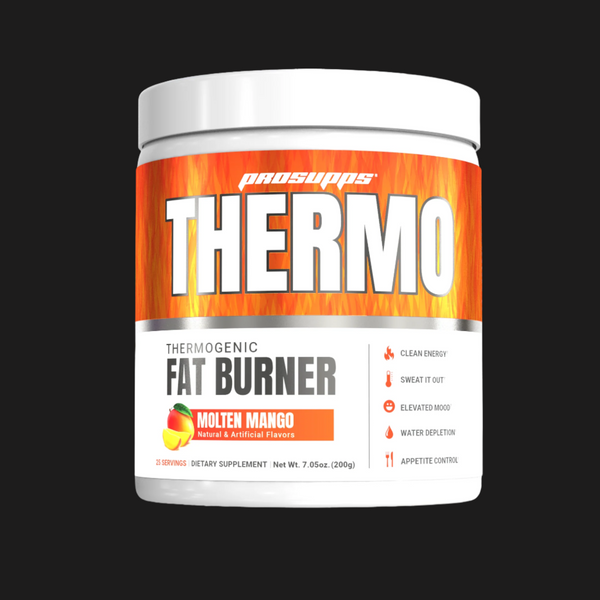
A lot of people combine L-carnitine with structured nutrition plans or complementary supplements. You can explore additional options in the fat burner supplements collection when building a comprehensive fat-loss strategy.
Heart & metabolic health
L-carnitine has also been studied for cardiovascular and metabolic support. Its involvement in fatty acid metabolism may help support healthy lipid metabolism and energy production in heart tissue.
Because the heart relies heavily on fatty acids as an energy source, efficient fatty acid transport plays an important role in maintaining normal cardiac energy metabolism. This is one reason L-carnitine has been studied in clinical nutrition settings, although supplementation for medical conditions should always be guided by healthcare professionals.
Research has explored potential benefits related to:
- Improved lipid markers
- Support for cardiovascular function
- Improved metabolic efficiency
These benefits are generally supportive rather than therapeutic.
Cognitive function
Acetyl-L-carnitine, a related form, has been associated with cognitive support, including memory and mental clarity. This benefit is linked to its ability to cross the blood-brain barrier and support mitochondrial function in brain cells.
L-Carnitine benefits for male & female athletes
Although L-carnitine works similarly in both sexes, individual goals often influence how benefits are experienced.
L-Carnitine benefits for male athletes
Men often use L-carnitine to support:
- Training endurance and recovery
- Fat metabolism during cutting phases
- Energy production during high-volume training
Some research also explores its role in supporting sperm motility and reproductive health, though this is not its primary use in sports nutrition.
L-Carnitine benefits for females
For women, common benefits include:
- Support for energy levels during calorie deficits
- Assistance with fat utilization during exercise
- Recovery support without stimulant ingredients
Because L-carnitine is non-stimulatory, it is frequently used alongside other supplements without affecting sleep or hormone balance.
L-Carnitine recommended dosage
The L-carnitine recommended dosage depends on individual goals, body size, and activity level.
Typical dosage ranges include:
- General health and energy support: 500 mg – 2,000 mg per day
- Exercise performance or fat metabolism: 1,000 mg – 3,000 mg per day
- Metabolic support: often within the 1–3 gram daily range
For most active individuals, 1–2 grams daily is a common starting point.
If you're wondering how much carnitine per day is ideal, consistency matters more than high doses. Taking moderate amounts daily tends to produce better results than occasional high intake.
L-carnitine is available in multiple formats depending on preference and convenience. Options like L-carnitine liquid shots provide a ready-to-use format often chosen around workouts, while the broader L-carnitine supplements collection includes different formats for daily supplementation.
Always consult a healthcare professional before starting supplementation, especially if you have underlying health conditions.
When to take L-Carnitine for best results
Timing can influence how effectively L-carnitine supports performance and fat metabolism.
Common timing strategies include:
- Before workouts: May support fat utilization during exercise.
- With meals containing carbohydrates: Insulin may improve muscle uptake.
- Split doses: Smaller servings taken twice daily may improve absorption.
For weight management goals, many people take L-carnitine 30–60 minutes before training.
For a more detailed breakdown of timing strategies and fat-loss applications, see our guide on when to take L-carnitine for weight loss.
How to Take L-Carnitine (Forms and Absorption)
L-carnitine is available in several forms, including capsules, powders, and liquid shots.
Liquid forms are often chosen for convenience and faster absorption, particularly around workouts. Capsules and powders offer flexibility for daily supplementation.
You can explore options such as:
L-carnitine can be taken with or without food, though some users prefer taking it alongside meals to minimize digestive discomfort.
Does L-Carnitine actually burn fat?
This is one of the most common questions surrounding L-carnitine benefits.
L-carnitine supports fat metabolism, but it does not directly increase fat burning without lifestyle changes. Fat loss still depends on overall calorie balance, activity level, and consistency.
Think of L-carnitine as a support tool that helps optimize how the body uses energy — not a replacement for training or nutrition.
Many people combine it with structured nutrition plans or fat burner supplements for a more comprehensive approach.
Expected results: How long does L-Carnitine take to work?
Results vary depending on diet, training, and starting body composition.
Typical expectations include:
- 1–2 weeks: Improved energy perception during workouts for some users
- 3–4 weeks: Noticeable improvements in training endurance or recovery
- 4–8 weeks: Gradual body composition changes when combined with diet and exercise
Because L-carnitine works through metabolic processes, changes tend to be gradual rather than immediate.
Safety, side effects & considerations
L-carnitine is generally well-tolerated when taken within recommended ranges. Some individuals may experience mild digestive discomfort, especially at higher doses.
Potential side effects may include:
- Nausea
- Stomach discomfort
- Mild diarrhea
These effects are usually temporary and improve with dosage adjustments.
As with any supplement, individuals with medical conditions or those taking medications should consult a healthcare professional before use.
Should you add L-carnitine to your supplement stack?
L-carnitine plays a clear role in energy production and fat metabolism, making it a practical addition for active individuals focused on performance, recovery, or body composition. While it does not replace structured training or proper nutrition, it can enhance how efficiently your body uses fat for fuel and supports consistent workout output.
If your goal is improving endurance, maintaining energy during a calorie deficit, or supporting recovery between sessions, daily L-carnitine supplementation in the 1,000 to 2,000 mg range can be a strategic addition.
For even greater results, consider combining L-carnitine with other workout supplements such as pre-workouts, protein supplements, or weight-loss supplements as part of a structured training and nutrition plan. When used consistently and paired with disciplined habits, L-carnitine can help support long-term performance and body composition goals.
FAQs
How much carnitine per day should I take?
Most active individuals take between 1,000 and 2,000 mg per day. Some performance-focused protocols go up to 3,000 mg daily, but consistency matters more than high dosing.
Does L-carnitine reduce belly fat?
L-carnitine does not specifically target belly fat. Fat loss occurs systemically when you maintain a calorie deficit. L-carnitine may support overall fat metabolism during exercise.
Is it okay to take L-carnitine daily?
Yes, L-carnitine is commonly taken daily. Consistent intake helps maintain steady levels in the body and supports long-term metabolic function.
What not to mix with L-carnitine?
L-carnitine is generally safe to combine with most workout supplements. However, individuals taking prescription medications or managing medical conditions should consult a healthcare professional before stacking supplements.
When is the best time to take L-carnitine?
Many people take it 30 to 60 minutes before workouts to support fat utilization. It can also be taken with meals to improve routine consistency.
How long does L-carnitine take to work?
Some users notice improved workout energy within 1 to 2 weeks. Body composition changes typically require 4 to 8 weeks of consistent supplementation combined with diet and training.
Can I take L-carnitine on rest days?
Yes. Taking it daily, including rest days, may help maintain consistent levels and support overall metabolic processes.
References
- Office of Dietary Supplements - Carnitine. (n.d.). https://ods.od.nih.gov/factsheets/Carnitine-HealthProfessional/
- Casan, J. M. L., Wong, J., Northcott, M. J., & Opat, S. (2018). Anti-CD20 monoclonal antibodies: reviewing a revolution. Human vaccines & immunotherapeutics, 14(12), 2820–2841. https://doi.org/10.1080/21645515.2018.1508624
- Wong, A. Y. W., Fric, J., & Zelante, T. (2019). Learning to control tissue damage while fighting Aspergillus. Medical mycology, 57(Supplement_2), S189–S195. https://doi.org/10.1093/mmy/myy053
GET LEAN
 Why You're Struggling
Can't Lean Out? Here's Why You're Struggling
Why You're Struggling
Can't Lean Out? Here's Why You're Struggling
We all know the feeling. You’ve been working hard in the gym, sticking to your diet and getting in your...
 Weight Loss
Choosing the Best Protein Powder for Weight Loss
Weight Loss
Choosing the Best Protein Powder for Weight Loss
Struggling to shed body fat and lean out? You might need to focus more on your nutrition, specifically your protein...
 Weight Loss
9 Ways to Speed Up Your Weight Loss and Burn More Fat
Weight Loss
9 Ways to Speed Up Your Weight Loss and Burn More Fat
Weight loss is a major goal for more than 40 percent of Americans. Is it something you’re working toward, too?
 Workout Routine
10 Tips for Building a Sustainable Workout Routine
Workout Routine
10 Tips for Building a Sustainable Workout Routine
Starting a fitness journey is an exciting time, but maintaining a sustainable workout routine can be challenging. From setting realistic...