Is it better to exercise in the morning or at night? Find out now!
 Written by Pri Prunella
 April 09, 2026


Many people trying to build a consistent fitness routine eventually ask the same question: is it better to exercise in the morning or at night? The truth is that both options have benefits, and the best time to work out often depends on your goals, schedule, and how your body responds to training at different times of the day.
Some people feel energized and productive when they train early in the morning, while others perform better in the evening after a full day of activity and meals. Because of these differences, the right time for exercise varies from person to person.
Understanding how your body works throughout the day can help you determine when is the best time to work out for your lifestyle. In this guide, we'll explore the science behind training timing, the advantages of morning workouts, the benefits of working out at night, and whether working out before bed is a good idea.
The science behind morning vs night workouts
To understand the best time to work out, it helps to look at how the body naturally functions throughout the day. Our bodies operate on circadian rhythms, which are internal biological clocks that regulate sleep, hormone levels, body temperature, and energy levels.
These rhythms influence how strong, alert, and flexible we feel at different times of the day. For example, body temperature tends to be lower in the morning and gradually increases throughout the afternoon and evening. Higher body temperature can improve muscle function, flexibility, and strength output.
Hormones also fluctuate during the day. Cortisol levels are typically higher in the morning, which helps promote alertness and energy. Testosterone levels may peak earlier in the day as well, though physical performance often improves later due to warmer muscles and improved neuromuscular efficiency. For example, someone focused on building a consistent routine may benefit more from a time of day that fits their schedule than from the physiological advantages of a specific hour.
Advantages of morning workouts
There are many advantages of morning workouts that make early training appealing for people trying to build healthy habits.
One of the biggest benefits is increased consistency. Morning workouts are less likely to be interrupted by unexpected responsibilities, meetings, or fatigue after a long day. Exercising early can help people stick to their routine more reliably.
Another advantage is the mental boost that comes from starting the day with movement. Many people experience improved mood, focus, and productivity after completing a workout in the morning.
Morning exercise may also support metabolism. Physical activity early in the day can help increase calorie burn and keep the body energized for hours afterward. This is one reason some individuals choose morning workouts when focusing on fat loss.
There is also a psychological advantage to completing a workout early. Finishing exercise before the day begins can create a sense of accomplishment and help set a positive tone for the rest of the day.
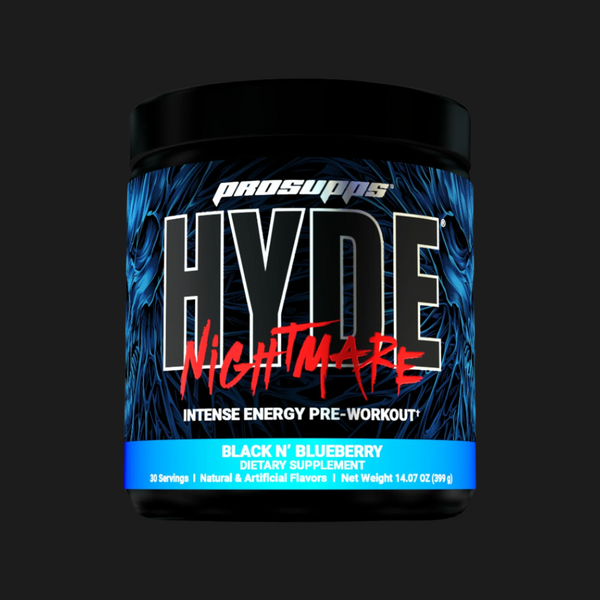
People who prefer early workouts sometimes pair their routine with products, like pre-workout supplements, to help increase energy and focus before training.
The best time to workout for weight loss
For individuals focused on fat loss, many experts suggest that morning workouts can be effective. One reason is the potential benefit of fasted cardio, which involves exercising before eating breakfast.
During fasted exercise, glycogen stores may be lower because the body has not consumed food overnight. This can encourage the body to rely more on stored fat for energy during moderate-intensity workouts.
Morning workouts may also help regulate appetite and improve daily energy balance. When exercise becomes part of a consistent morning routine, it can support healthier lifestyle choices throughout the day.
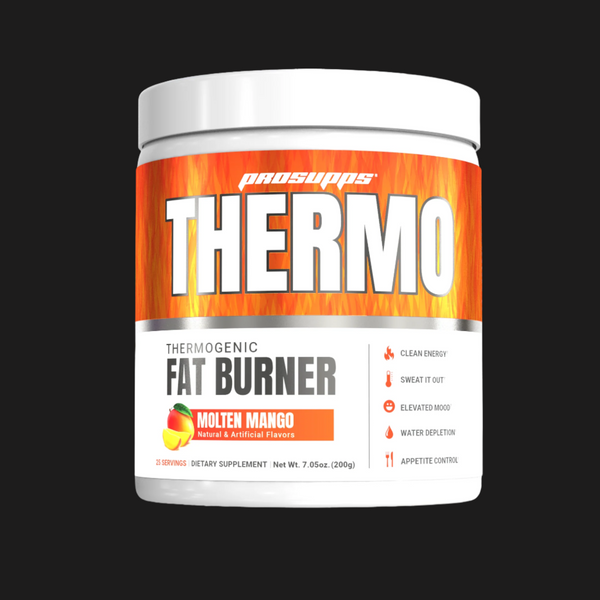
Some individuals support their morning workouts with products that help boost metabolism and fat loss, like those available in the fat burner supplements collection!
Benefits of working out at night
While early workouts have their advantages, there are also several benefits of working out at night. In fact, many people find that their physical performance is strongest later in the day.
As body temperature increases throughout the day, muscles become more flexible and joints move more efficiently. This can improve strength output, coordination, and overall exercise performance.
Working out at night can also serve as an effective way to relieve stress. After a long day of work or responsibilities, exercise can help release tension and improve mood. Evening workouts may also allow for longer or more intense training sessions. Many people simply have more time available after work compared to the busy hours of the morning.
Another advantage of working out at night is that the body has typically consumed multiple meals by this time. Higher energy availability can help support more demanding workouts such as strength training or high-intensity interval sessions.
After these sessions, many athletes incorporate muscle recovery supplements to support recovery and reduce soreness!
The best time to workout for muscle gain
When the goal is muscle growth or strength development, evening workouts may offer some advantages. Research suggests that strength, power output, and endurance often peak later in the day when body temperature and neuromuscular efficiency are higher.
This means that individuals may be able to lift heavier weights or perform more repetitions during evening training sessions.
Muscle recovery may also benefit from post-workout nutrition consumed after dinner or later meals. These nutrients help repair muscle tissue and support muscle growth following intense training.
Evening workouts are also convenient for structured strength routines that include multiple exercises and longer rest periods. If you're building a training plan, this guide on how many exercises per workout you should do can help structure your sessions effectively.
Is working out before bed a good idea?
A common concern about working out at night is whether working out before bed can interfere with sleep.
For some individuals, intense exercise late at night can increase heart rate and adrenaline levels, which may make it harder to fall asleep immediately afterward. However, research shows that moderate exercise earlier in the evening does not necessarily disrupt sleep for most people.
In fact, physical activity can improve sleep quality by reducing stress and promoting relaxation.
If you find that intense workouts late at night make it harder to sleep, consider adjusting your schedule slightly earlier or choosing lower-intensity activities such as stretching, yoga, or light cardio.
Another option is performing shorter workouts at home earlier in the evening. If you're limited on time or equipment, this guide provides helpful ideas for simple home routines.
When is the best time to work out for your health goals?
Again, the best time to work out depends on your personal fitness goals.
If your goal is fat loss, morning workouts may be helpful because they can support fasted cardio and consistent exercise habits. Morning activity may also help boost metabolism and encourage healthier daily routines. For individuals focused on strength training or muscle gain, evening workouts can offer advantages because the body is typically stronger and more flexible later in the day.
If your goal is improved mental clarity and productivity, exercising in the morning may help boost mood and energy for the rest of the day. People training for muscle growth may benefit from working out at night when strength levels and energy stores are higher.
No matter when you choose to train, structuring your workouts effectively is key. For example, EMOM workouts are a popular training method that can maximize intensity in shorter sessions.
Key takeaways on the proper time for exercise
When asking whether it is better to exercise in the morning or at night, the most important takeaway is that there is no single perfect answer.
The proper time for exercise depends on individual goals, daily schedules, energy levels, and personal preferences. Morning workouts can support consistency, fat loss, and productivity, while evening workouts may allow for higher performance and longer training sessions.
The most important factor is consistency. The best time to work out is ultimately the time you can maintain regularly without disrupting your lifestyle.
Experimenting with different workout times can help you determine what works best for your body and schedule. Whether you prefer sunrise runs or evening gym sessions, staying active consistently will provide the greatest long-term health benefits.
FAQs
Is it better to exercise in the morning or evening?
Both options offer benefits. Morning workouts may support consistency and fat loss, while evening workouts often allow for stronger physical performance.
What's the best time to work out for fat loss?
Morning workouts are often recommended for fat loss because fasted cardio and increased daily activity can help support metabolism and calorie burn.
Can I work out at night and still get good sleep?
Yes, many people can work out at night without disrupting sleep. However, very intense workouts immediately before bedtime may make it harder to fall asleep for some individuals.
What time of day is best for strength training?
Strength performance often peaks later in the day when body temperature and muscle function are higher, making afternoon or evening workouts effective for strength training.
Should I work out in the morning or evening for muscle gain?
Evening workouts may be slightly better for muscle gain because strength, power, and endurance levels tend to peak later in the day. However, consistency and proper nutrition remain the most important factors.
References
- Professional, C. C. M. (2025e, December 26). Circadian rhythm. Cleveland Clinic. https://my.clevelandclinic.org/health/articles/circadian-rhythm
- Harding, C., Pompei, F., Bordonaro, S. F., McGillicuddy, D. C., Burmistrov, D., & Sanchez, L. D. (2020). Fever Incidence Is Much Lower in the Morning than the Evening: Boston and US National Triage Data. The western journal of emergency medicine, 21(4), 909–917. https://doi.org/10.5811/westjem.2020.3.45215
- Mohd Azmi, N. A. S., Juliana, N., Azmani, S., Mohd Effendy, N., Abu, I. F., Mohd Fahmi Teng, N. I., & Das, S. (2021). Cortisol on Circadian Rhythm and Its Effect on Cardiovascular System. International journal of environmental research and public health, 18(2), 676. https://doi.org/10.3390/ijerph18020676
- Long, N., Nguyen, L., & Stevermer, J. (2015). PURLS: It's time to reconsider early-morning testosterone tests. The Journal of family practice, 64(7), 418–419.
- Schumacher, L. M., Thomas, J. G., Raynor, H. A., Rhodes, R. E., & Bond, D. S. (2020). Consistent Morning Exercise May Be Beneficial for Individuals With Obesity. Exercise and sport sciences reviews, 48(4), 201–208. https://doi.org/10.1249/JES.0000000000000226
- Irandoust, K., Taheri, M., Chtourou, H., Nikolaidis, P. T., Rosemann, T., & Knechtle, B. (2019). Effect of Time-of-Day-Exercise in Group Settings on Level of Mood and Depression of Former Elite Male Athletes. International journal of environmental research and public health, 16(19), 3541. https://doi.org/10.3390/ijerph16193541
- Solan, M. (2023, December 1). Early morning exercise may be the best time for weight loss. Harvard Health. https://www.health.harvard.edu/exercise-and-fitness/early-morning-exercise-may-be-the-best-time-for-weight-loss
- Does 'fasted' cardio help you lose weight? Here's the science. (n.d.). UNSW Sites. https://www.unsw.edu.au/newsroom/news/2025/10/does-fasted-cardio-help-you-lose-weight-heres-the-science
- Liu, M. Y., & Chen, S. Q. (2022). Effects of Low/Medium-Intensity Exercise on Fat Metabolism after a 6-h Fast. International journal of environmental research and public health, 19(23), 15502. https://doi.org/10.3390/ijerph192315502
- Easton, D. F., Gupta, C. C., Vincent, G. E., & Ferguson, S. A. (2024). Move the night way: how can physical activity facilitate adaptation to shift work?. Communications biology, 7(1), 259. https://doi.org/10.1038/s42003-024-05962-8
- Bruggisser, F., Knaier, R., Roth, R., Wang, W., Qian, J., & Scheer, F. A. J. L. (2023). Best Time of Day for Strength and Endurance Training to Improve Health and Performance? A Systematic Review with Meta-analysis. Sports medicine - open, 9(1), 34. https://doi.org/10.1186/s40798-023-00577-5
- LeWine, H. E., MD. (2024, July 24). Does exercising at night affect sleep? Harvard Health. https://www.health.harvard.edu/healthy-aging-and-longevity/does-exercising-at-night-affect-sleep
GET LEAN
 Why You're Struggling
Can't Lean Out? Here's Why You're Struggling
Why You're Struggling
Can't Lean Out? Here's Why You're Struggling
We all know the feeling. You’ve been working hard in the gym, sticking to your diet and getting in your...
 Weight Loss
Choosing the Best Protein Powder for Weight Loss
Weight Loss
Choosing the Best Protein Powder for Weight Loss
Struggling to shed body fat and lean out? You might need to focus more on your nutrition, specifically your protein...
 Weight Loss
9 Ways to Speed Up Your Weight Loss and Burn More Fat
Weight Loss
9 Ways to Speed Up Your Weight Loss and Burn More Fat
Weight loss is a major goal for more than 40 percent of Americans. Is it something you’re working toward, too?
 Workout Routine
10 Tips for Building a Sustainable Workout Routine
Workout Routine
10 Tips for Building a Sustainable Workout Routine
Starting a fitness journey is an exciting time, but maintaining a sustainable workout routine can be challenging. From setting realistic...